
Not every HVAC installation can be completed using standard, off-the-shelf components. Equipment dimensions, existing duct configurations, mechanical space limitations, and project-specific requirements can make custom-fabricated parts necessary.
For HVAC contractors working in Temecula, CA, having access to an onsite sheet-metal fabrication shop can provide another option when a project requires components built to specification.
However, successful custom fabrication starts before the metal is cut. Accurate measurements, clear project details, and properly communicated requirements help ensure that fabricated components are designed for the intended application.
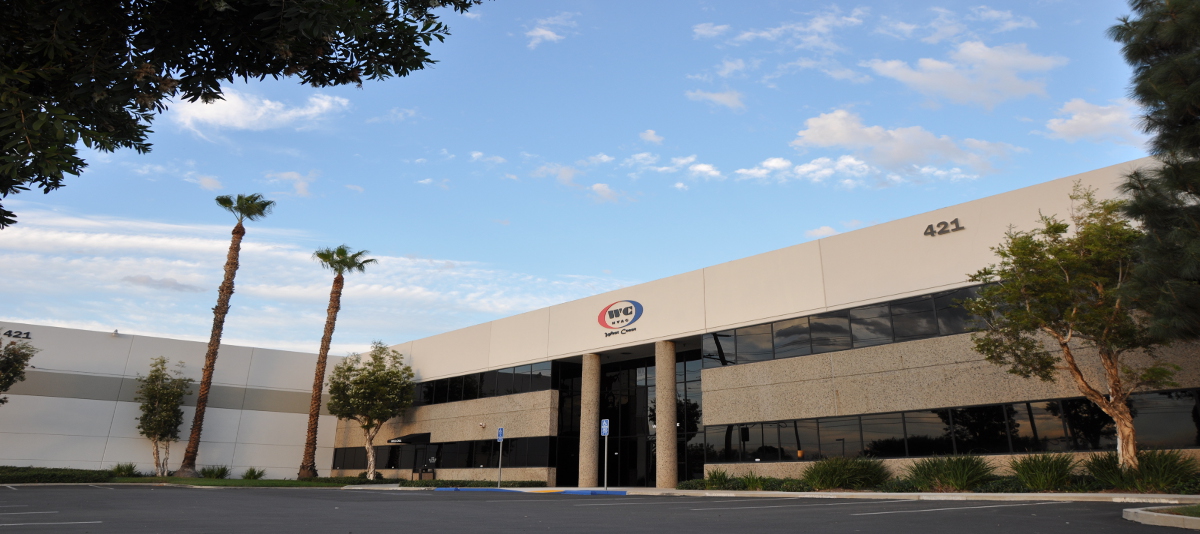
West Coast Copper Supply, located in Corona, CA, operates an onsite sheet-metal shop producing standard and custom linesets, plenums, and prefabricated duct systems to contractor specifications.
Here is what HVAC contractors should consider before requesting custom fabrication.
1. Identify Exactly What the Project Requires
The first step is determining which component needs to be fabricated.
Depending on the installation, a contractor may need:
- A custom HVAC plenum.
- A custom lineset.
- A prefabricated duct system.
- Sheet-metal components for a specific application.
- A component designed around existing equipment or ductwork.
Being specific about the required component helps establish what information the fabrication shop needs to evaluate the request.
For example, a replacement HVAC system may require a custom plenum to connect new equipment to existing ductwork. A larger installation may require prefabricated duct components prepared for a particular project.
Clearly identifying the application is the starting point for communicating fabrication requirements.
2. Gather Accurate Measurements
Measurements are among the most important details in a custom fabrication request.
Before contacting a supplier, contractors should gather the dimensions relevant to the component being fabricated.
Depending on the application, these may include:
- Overall length, width, and height.
- Connection opening dimensions.
- Required duct connection sizes.
- Equipment connection dimensions.
- Available installation clearance.
- Relevant offsets or directional changes.
Contractors should also distinguish between the dimensions of the existing opening and the dimensions required for the new component.
If the project involves replacing existing equipment, verify the new equipment specifications rather than relying exclusively on measurements from the old installation.
Accurate information gives the fabrication shop a better starting point for determining the appropriate component configuration.
3. Have Equipment Specifications Available
Custom HVAC components often need to work with specific equipment.
When requesting fabrication for a replacement or new installation, have the relevant equipment information available.
Useful information may include:
- Equipment manufacturer and model.
- Manufacturer-provided connection dimensions.
- Supply and return configuration.
- Required connection orientation.
- Available mechanical space.
- Relevant installation documentation.
This information can help clarify how the fabricated component needs to connect to the equipment and surrounding duct system.
When possible, manufacturer specifications and installation drawings are useful references for confirming dimensions.
4. Explain the Existing Ductwork Configuration
Custom fabrication is frequently needed because existing building conditions do not match standard component dimensions.
This is particularly common with replacement and retrofit projects.
An existing home or commercial building may have ductwork installed around an older equipment configuration. When new equipment is introduced, the contractor may need a custom-fabricated component to accommodate the differences.
Before placing an order, explain:
- Whether the project is new construction or a replacement.
- Whether existing ductwork will remain in place.
- Where the new component needs to connect.
- Whether there are space restrictions.
- Whether the component needs to accommodate an unusual configuration.
Providing context helps the fabrication shop understand the application rather than simply receiving a list of dimensions.
5. Communicate the Required Orientation and Connections
Dimensions alone may not fully describe a custom HVAC component.
The orientation of openings, connection locations, and the direction of the component can all matter during fabrication and installation.
A drawing, marked-up photograph, or installation sketch can help communicate these details.
For more complicated requests, contractors should confirm with the fabrication shop which measurements, drawings, or specifications are needed before production begins.
The objective is to make sure everyone understands the intended configuration before the component is fabricated.
6. Coordinate Fabrication With the Project Schedule
Custom components should be considered during the planning stage rather than waiting until the installation is already underway.
If a project requires a custom plenum, lineset, or prefabricated duct system, contractors should discuss the fabrication requirements and timing with their supplier as early as practical.
This gives the contractor and fabrication shop an opportunity to review the specifications and coordinate the order around the project schedule.
For HVAC companies serving Temecula and the surrounding communities, coordinating custom fabrication ahead of time can help reduce the need for last-minute field modifications.
7. Work With a Supplier That Offers Both Fabrication and HVAC Materials
Custom fabrication is only one part of preparing for an HVAC installation.
Contractors may also need copper, fittings, grilles, filters, tools, and other parts required to complete the project.
Working with a supplier that offers both fabrication and a stocked HVAC storefront can make material coordination more convenient.
West Coast Copper Supply combines an onsite sheet-metal shop with a contractor-focused supply and will-call operation.
Its offerings include:
- Custom metal work.
- Standard and custom linesets.
- Plenums.
- Prefabricated duct systems.
- Grilles and filters.
- HVAC parts and tools.
This allows contractors to discuss custom fabrication needs while also sourcing other materials for service, retrofit, and installation projects.
Custom HVAC Fabrication for Temecula Contractors
HVAC projects throughout Temecula, Murrieta, Menifee, and Riverside County can involve a variety of equipment configurations and existing building conditions.
When standard components do not meet the requirements of an installation, custom fabrication can provide an alternative.
West Coast Copper Supply is located at 421 N. Cota St. in Corona, CA. Its onsite sheet-metal shop produces standard and custom linesets, plenums, and prefabricated duct systems to specification.
For contractors preparing a custom fabrication request, having accurate measurements, equipment details, and project information available is a practical first step.
Discuss Your Next Custom HVAC Fabrication Project
Whether you're preparing for an HVAC replacement, retrofit, commercial installation, or new construction project, West Coast Copper Supply can help you explore custom fabrication options.
Contact the team to discuss the component you need, the project specifications, and the information required to move forward.
West Coast Copper Supply
421 N. Cota St.
Corona, CA 92878
Phone: 951-737-1102
Serving HVAC contractors in Temecula, Murrieta, Riverside County, and throughout Southern California.
Visit West Coast Copper Supply to learn more about custom sheet-metal fabrication, linesets, plenums, and prefabricated duct systems.